
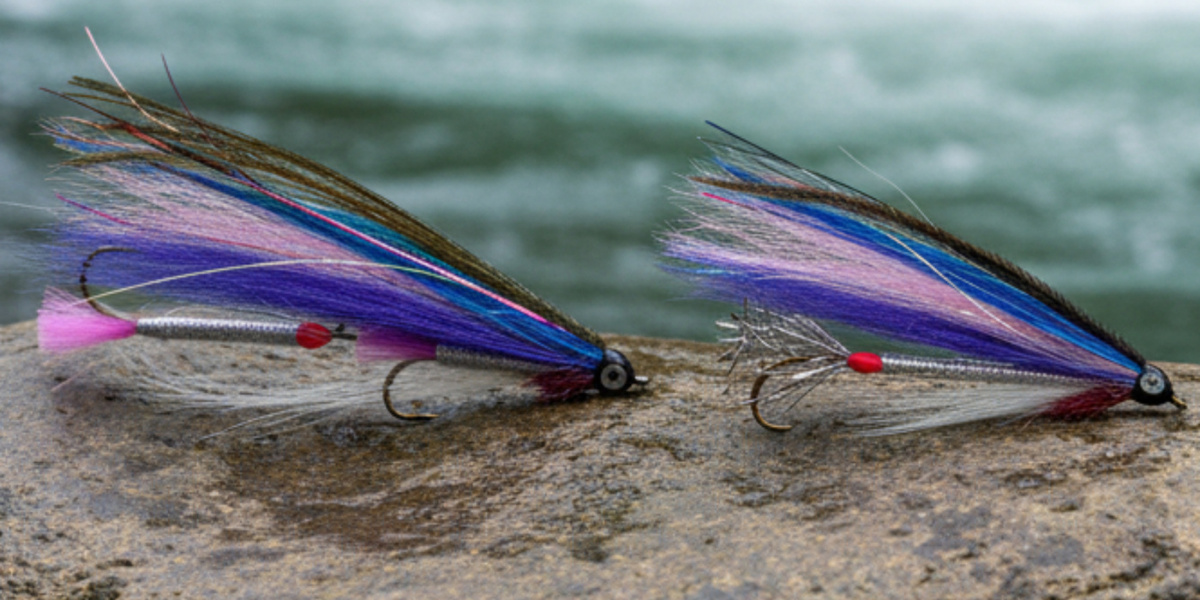
Experienced fly tyers eventually reach a point where the question is no longer “Can I tie this fly?” but rather “Can I make this fly fish better, last longer, and do exactly what I intend?”
When it comes to streamers—especially those designed for trout, salmon, steelhead, and other predatory species—layering materials is one of the most powerful tools available to the advanced tyer. Done correctly, layering controls profile, enhances movement, improves sink rate, protects fragile materials, and dramatically increases durability without sacrificing action.
This article takes a deep dive into why layered streamer construction works, how different materials behave when stacked or blended, and how professional tyers use layering as a design system—not just an aesthetic choice.
Why Layering Matters More Than Ever in Modern Streamer Design
Modern streamer fishing has evolved. Fish see more flies, anglers fish harder, and expectations are higher. A streamer today must:
- Maintain its profile over many fish
- Move naturally at varied retrieve speeds
- Survive teeth, rocks, and repeated casting
- Fish effectively across different currents and depths
Single-material streamers rarely check all of those boxes.
Layering materials allows you to separate function from appearance, assigning different roles to different fibers—something experienced tyers intuitively understand but don’t always consciously design around.
Understanding Material Behavior in the Water
Before discussing specific layering strategies, it’s important to revisit how common streamer materials actually behave once submerged.
Natural Hair (Bucktail, Fox, Templedog)
- Provides structure and profile
- Resists fouling
- Moves subtly rather than freely
- Offers durability but limited motion
Soft Natural Fibers (Marabou, Ostrich, Hen Hackle)
- Exceptional movement
- Compress and breathe in current
- Fragile when used alone
- Lose volume when wet
Synthetics (SF Blend, Faux Bucktail, EP-style fibers)
- Lightweight yet voluminous
- Highly durable
- Can be tuned for stiffness or flow
- Excellent for blending and support layers
A layered streamer leverages the strengths of each while minimizing their weaknesses.
The Three-Layer Streamer Framework (A Pro Tyer’s Perspective)
Many of the most effective modern streamers—whether classic hairwings or contemporary articulated patterns—follow a simple but deliberate three-layer structure:
- Foundation Layer (Control & Durability)
- Movement Layer (Action & Life)
- Profile Layer (Silhouette & Finish)
Let’s break each down.
1. Foundation Layer: The Structural Backbone
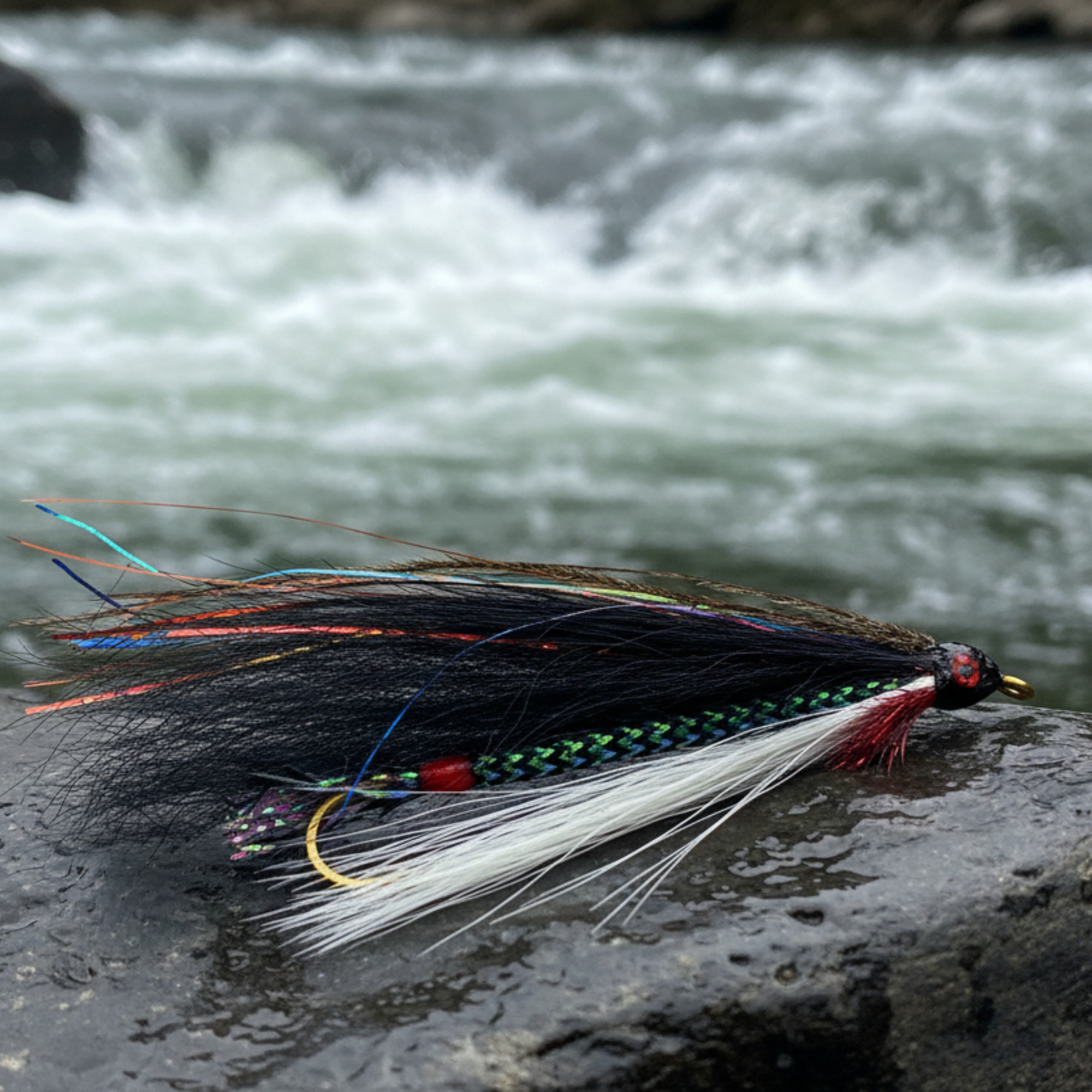 Black & White Shiner
Streamers like the Black & White Shiner offers the simplicity of hairwing profiles in alternate layered effect. Combining the stiffer Nayat as a structural support layer while the softer, and irredescence nature of the cashmere goat provides the movement without risk of hook fouling due to the Nayat Hair support layer. A perfect combination which is duplicated in many of my streamer designs. Combining this structure with alternate layers of flash and a topping layer of peacock eye herl (thinner than regular herl) gives these flies an appeal that the big fish can't resist.
This is the layer most often overlooked by less experienced tyers—and the one professionals rarely skip.
Purpose:
- Prevent fouling
- Support softer materials
- Increase fly lifespan
- Control taper and bulk
Common Foundation Materials:
A sparse underlayer of bucktail or synthetic hair tied slightly longer than the hook bend acts as a keel. It keeps softer materials from collapsing around the hook shank during the cast or retrieve.
2. Movement Layer: Where the Fly Comes Alive
This is the layer that sells the fly to the fish.
Purpose:
- Provide motion at slow speeds
- Create “breathing” action on the pause
- Trigger predatory response
Common Movement Materials:
- Marabou
- Ostrich herl
- Soft hen hackle
- Craft fur (in sparse applications)
The key mistake many tyers make is using too much movement material without support. Without a foundation layer, these fibers collapse, twist, or foul—especially in larger streamers or tandem-hook designs.
When layered properly over a foundation, movement materials retain freedom without losing shape.
3. Profile Layer: Defining Shape and Presence
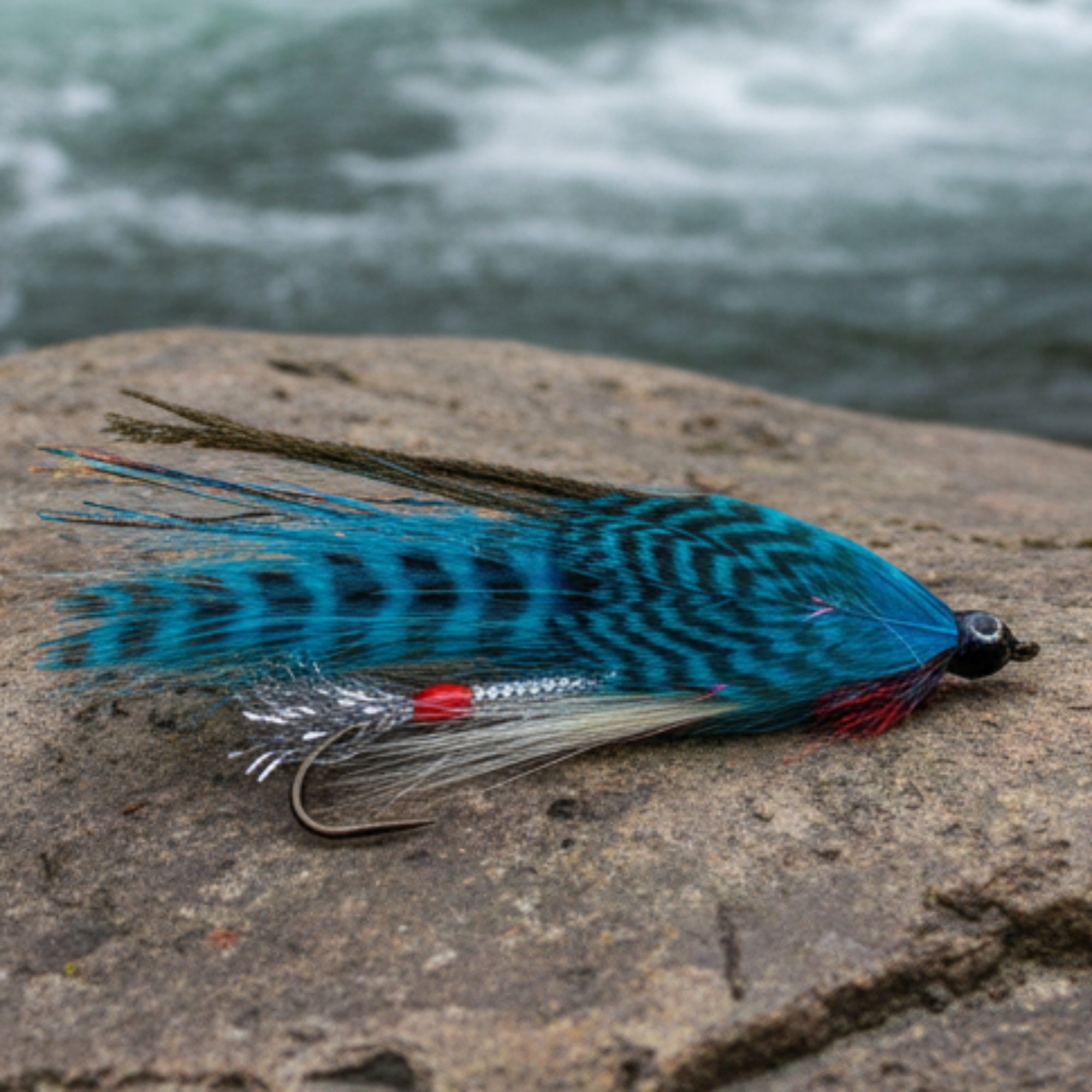 Teal & Blue Streamer
Flies like the Teal Seies of streamers with the distinct grizzly hackle incorporated into the wings is the perfect example of how a combination of hair as well as hackle feathers can add both silhouette, movement, and lifelike baitfish action to any streamer pattern.
The outer layer defines how the fly looks to the fish—its silhouette, contrast, and perceived size.
Purpose:
- Lock in profile
- Add visual triggers
- Protect inner layers from damage
Common Profile Materials:
- Bucktail
- Templedog hair
- Synthetic blends
- Schlappen or long saddle hackle
A well-designed profile layer does not restrict movement—it frames it. Think of this layer as the armor that allows the inner materials to work without being destroyed.
Layering for Action: Controlling Movement Without Killing It
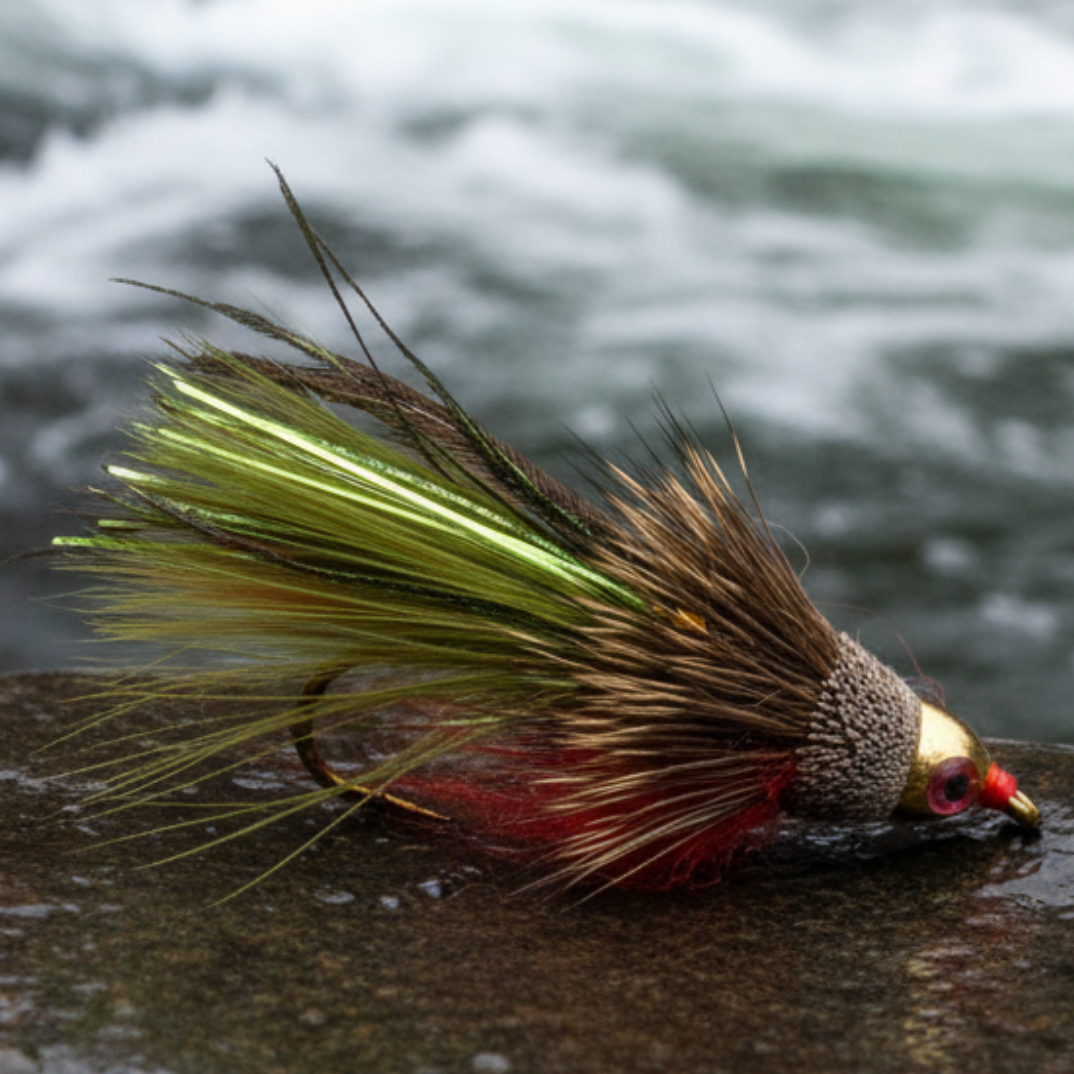 Conehead Marabou Muddler
Marabou wings like that in the Marabou Muddler series of flies provide the exceptional movement that makes this fly an effective pattern for various species. Controlling the length of the wing to prevent fouling around the hook bend as well as the toppings of flash and peacock are esential aspects of this pattern which makes it so effective
One of the great myths in streamer tying is that more movement always equals better action. In reality, controlled movement is far more effective.
Layering allows you to:
- Create hinge points
- Limit overextension
- Add resistance to fast retrieves
- Preserve motion during pauses
This is especially important for:
- Cold water fisheries
- Salmon and steelhead
- Heavily pressured trout
A layered streamer continues to fish even when stripped slowly or swung across current.
Layering for Durability: Flies That Last More Than One Fish
Experienced tyers know that durability is not just about thread strength—it’s about material placement and protection.
Layering improves durability by:
- Shielding soft fibers from teeth
- Reducing direct abrasion on marabou or herl
- Allowing damage to occur on replaceable outer layers
Strategic use of:
- Strong threads
- Reinforced tie-in points
- Protective top layers
…can easily double or triple the lifespan of a streamer.
Layering and Weight Distribution
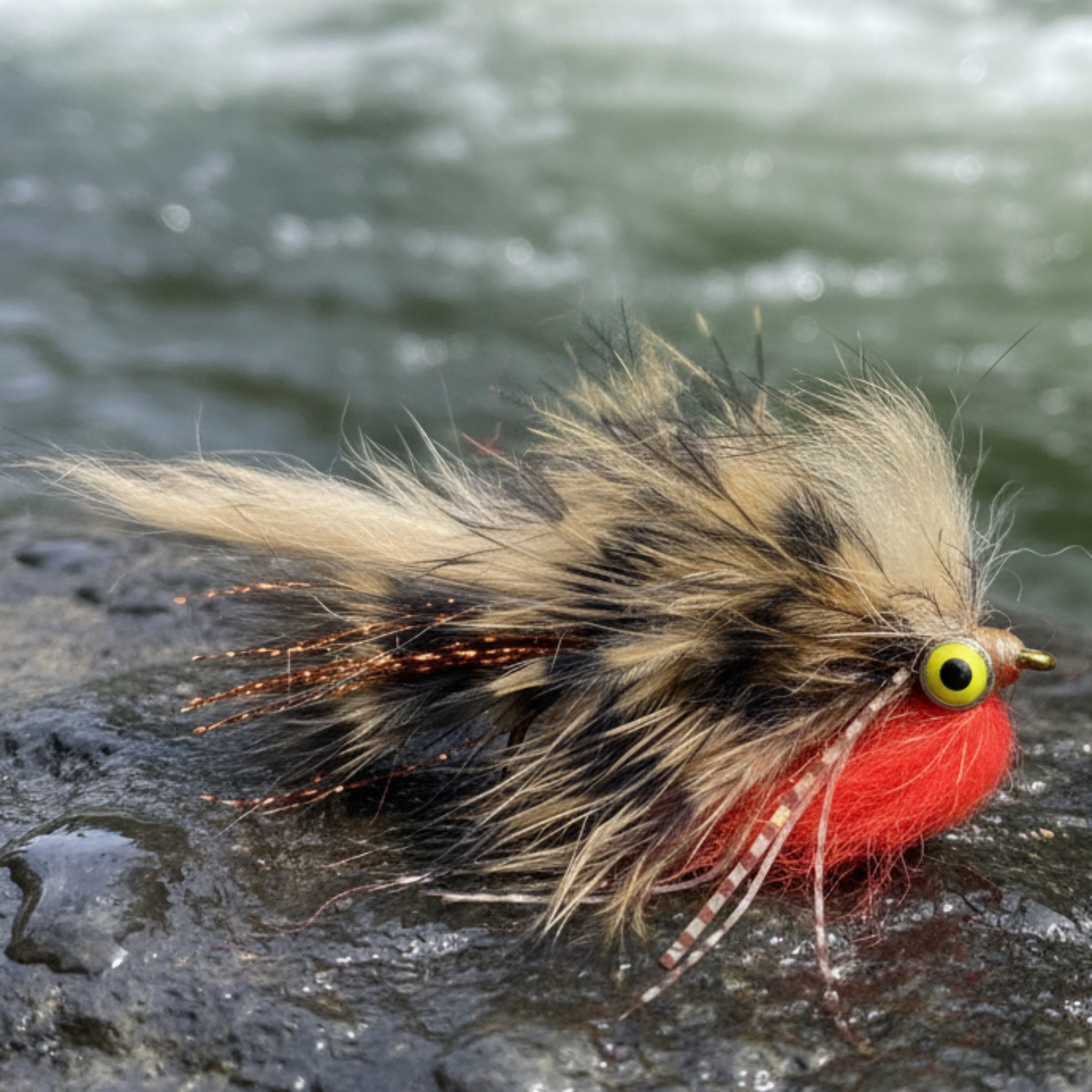 Bunny Zonker - Tan
Flies like the Bunny Zonkers where weight is accomplished by Pseudo eyes or Lead Dumbbell eyes provides the perfect example of how the extra sink rate is controlled by the softer bulkier materials of marabou, Rabbit Strip and schlappen. All act together to give the pattern the action it needs to entice even the shyest of predators.
Layering also affects how a fly sinks and tracks.
- Dense foundation layers help stabilize the fly
- Softer materials slow the sink rate
- Profile layers influence how the fly planes in current
When paired with:
- Dumbbell eyes
- Bead chain
- Weighted hooks
…layering allows for extremely precise control over depth and attitude.
Classic Hairwings vs Modern Layered Streamers
.jpg)
Grey Gost Hairwing
Alternating layers of Nayat hair in yellow and grey as well as goat in Dun is another example of the 3-Layer effect. Combined with flash and top layers as well as belly hair and you have an adpatation of a famous streamer pattern that keeps the spirit of the original featherwing but yet provides a more durable alternative.
Traditional hairwing patterns relied almost entirely on bucktail and natural hair. Modern tyers have expanded that concept—not replaced it.
A modern hairwing streamer often:
- Uses bucktail as a foundation
- Adds synthetics for volume without weight
- Incorporates soft materials sparingly for motion
The result is a fly that honors tradition while outperforming it in durability and versatility.
Layering in Tandem and Articulated Streamers
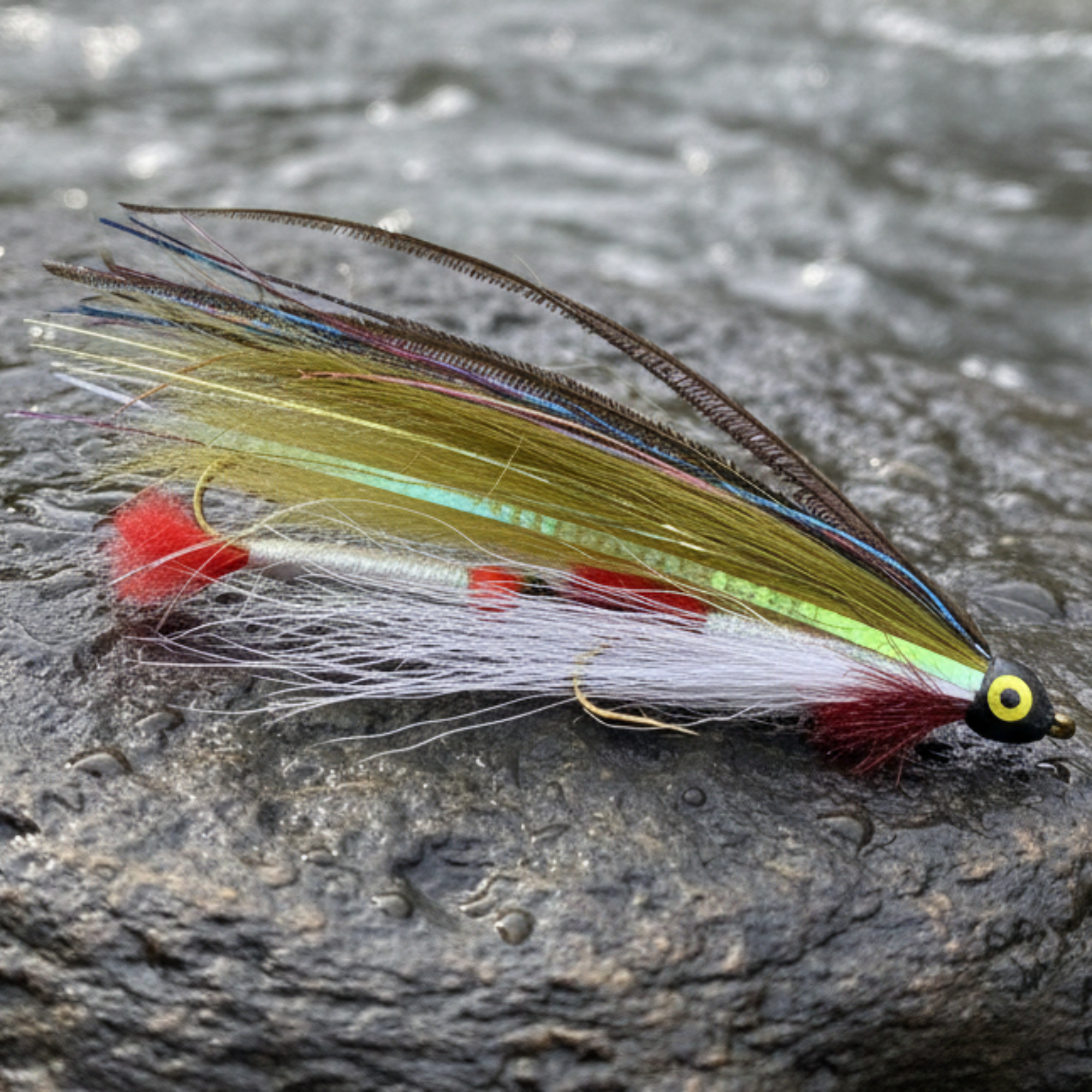
Olive & White Shiner
Note the lateral scale as an added layer of flash that sets this fly apart from many of its close cousins
Layering becomes even more critical in:
- Tandem-hook streamers
- Articulated designs
Without proper layering:
- Rear sections foul
- Movement becomes chaotic
- Durability suffers
Layering allows each section to move independently while maintaining overall coherence.
Designing With Intent: The Pro Tyer Mindset
The most important shift for experienced tyers is moving from recipe-based tying to design-based tying.
Before selecting materials, ask:
- What role does this layer serve?
- Does it support or compete with other materials?
- How will it behave after 10 fish?
Layering is not about adding more—it’s about assigning purpose.
This lesson comes with experience and trial & error. When you start looking at fly patterns not as recipes alone but from a perspective of design and intentional use of materials carefully chosen for form and function as well as profile then you are starting to elevate your tying skill to the next level! - Dale Day (Author of this Article)
Final Thoughts: Better Streamers Are Built, Not Just Tied
Great streamers don’t happen by accident. They’re the result of intentional material selection, thoughtful layering, and an understanding of how flies behave beyond the vise.
For the experienced fly tyer, mastering layering is one of the final steps toward tying flies that are not only beautiful—but reliable, durable, and deadly effective.
When you begin designing streamers layer by layer—rather than material by material—you stop tying flies that merely look right, and start tying flies that fish right.
And hey — if you looking for a any of the flies or materials mentioned in this article check out DcTackle.ca — we can set you up with with all of your fly tying needs
Get new fly recipes, fishing reports, and exclusive offers delivered right to your inbox
.png)
Some of the links in this article are affiliate links, which means I may earn a small commission if you choose to make a purchase through them — at no additional cost to you. I only recommend products and tools that I personally use, trust, or believe add genuine value. These commissions help support the continued creation of free content on this site.


