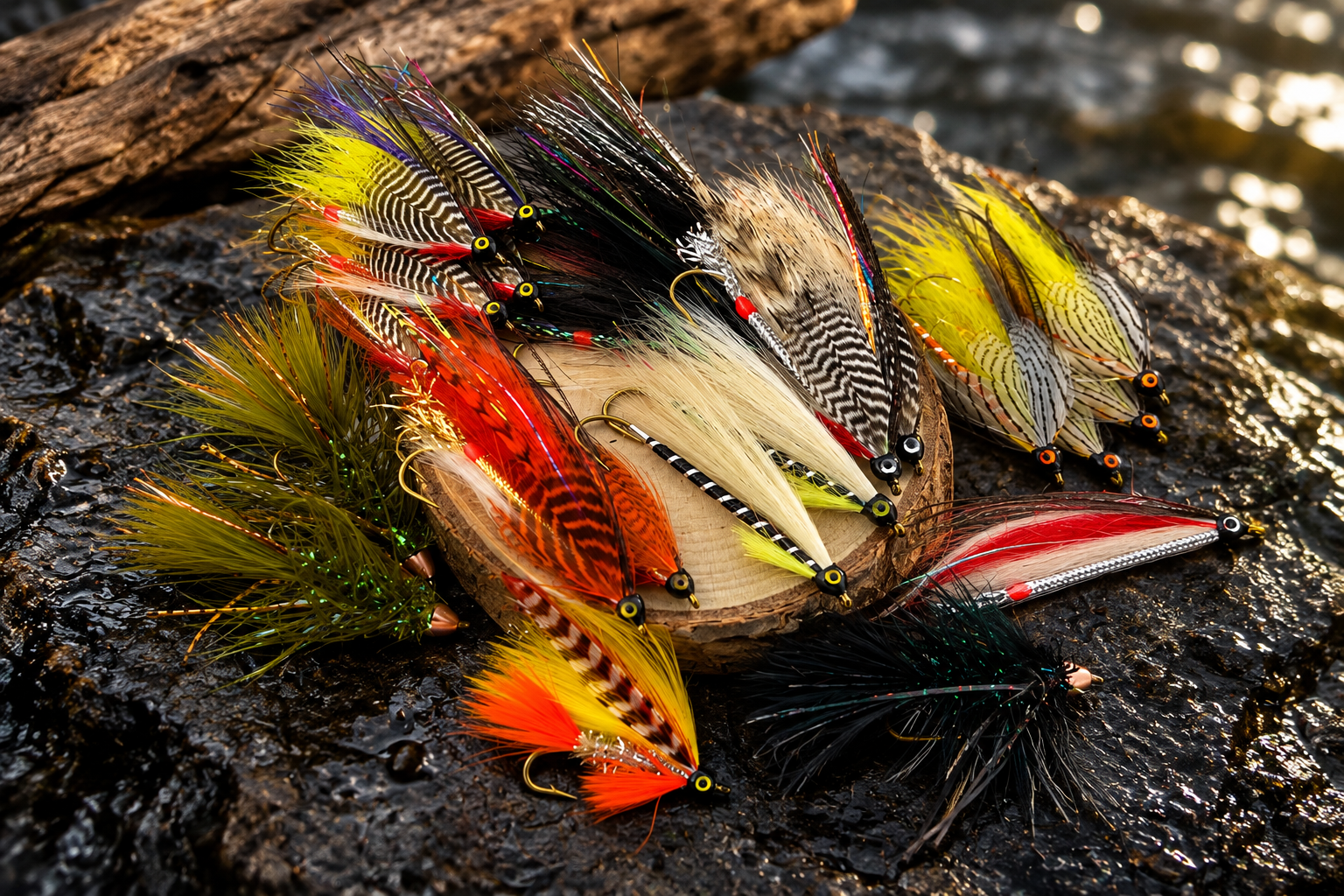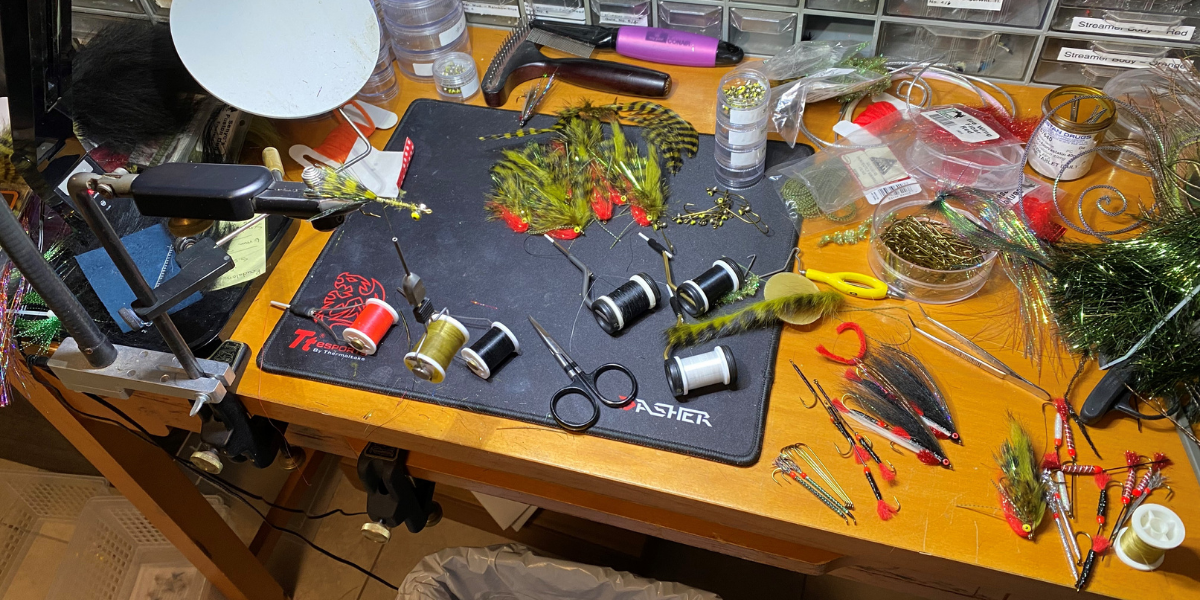
For anglers who tie salmon flies seriously, the question is rarely “Can I save money?” More often, it becomes:
When does it actually make sense to tie my own salmon flies—and when is it wiser to buy them?
This site has limited support for your browser. We recommend switching to Edge, Chrome, Safari, or Firefox.
FREE Shipping applies to orders $125.00 and over within Canada

Welcome to the DcTackle Blog — a place where the rhythm of the thread meets the pull of the river. Here, we explore the art, craft, and spirit of fly tying and fly fishing across Canada and beyond. Whether you’re behind the vise perfecting a new streamer or standing knee-deep in a wild brook trout river, our stories, tutorials, and insights are designed to inspire your next cast.
So pull up a chair at the tying bench, grab a cup of coffee, and dive into a collection of stories that celebrate craftsmanship, mindfulness, and the timeless adventure of fly fishing.
For anglers who tie salmon flies seriously, the question is rarely “Can I save money?” More often, it becomes:
When does it actually make sense to tie my own salmon flies—and when is it wiser to buy them?
After years at the vise, most fly tyers come to the same realization:
Thread control—not materials, not patterns, not tools—is what ultimately defines the quality of a fly.
Experienced fly tyers eventually reach a point where the question is no longer “Can I tie this fly?” but rather “Can I make this fly fish better, last longer, and do exactly what I intend?”
Among the wide range of threads on the market, one brand stands out to professional and serious hobbyist tyers alike: Semperfli. Known for its technical innovation, material variety, and consistent quality, the Semperfli thread lineup has earned a reputation...
Fly tying has a reputation. To some, it’s a romantic, almost mystical craft—quiet evenings at the vise, feathers neatly laid out, flies that look like miniature works of art. To others, it’s a black hole of expense, clutter, and frustration that somehow...
Fly tying doesn’t have to become prohibitively expensive. Saving money in fly tying isn’t about cutting corners or tying inferior flies. It’s about being intentional, understanding where value actually lies, and making decisions that stretch your investment...
For many fly tyers—especially those who target big trout, aggressive salmon, or toothy predators—the difference between a fly that lasts a single fish and a fly that survives an entire trip comes down to a handful of small but powerful habits.
For many fly tiers—especially those who pursue large trout, steelhead, salmon, bass, and saltwater species—flash materials are absolutely essential. They add life, movement, and attraction. They create the illusion of scales, light shimmer, and fleeing...
In the world of fly tying, few milestones transform a tyer’s skill more dramatically than learning the principles of production fly tying. Whether you tie commercially, fill your own boxes for salmon season, or simply want cleaner proportions and greater...
In fly tying, no natural material is more versatile, beloved, or misunderstood than deer hair. From the buoyant bomber riding high on a fast Atlantic salmon run to the sculpted head of a Muddler slicing through current, deer hair shows up everywhere—and...
If you’ve ever sat at the tying bench and thought, “This fly just needs a little more life in the water,” then you’ve probably stumbled into the world of goat hair—a material that quietly bridges the gap between tradition and innovation in modern fly...
Each type of natural hair tells its own story. Moose gives structure, bear offers tradition, fox and raccoon deliver life, goat and temple dog embody movement and grace. The best fly isn’t made from the most exotic material — it’s the one that breathes...