
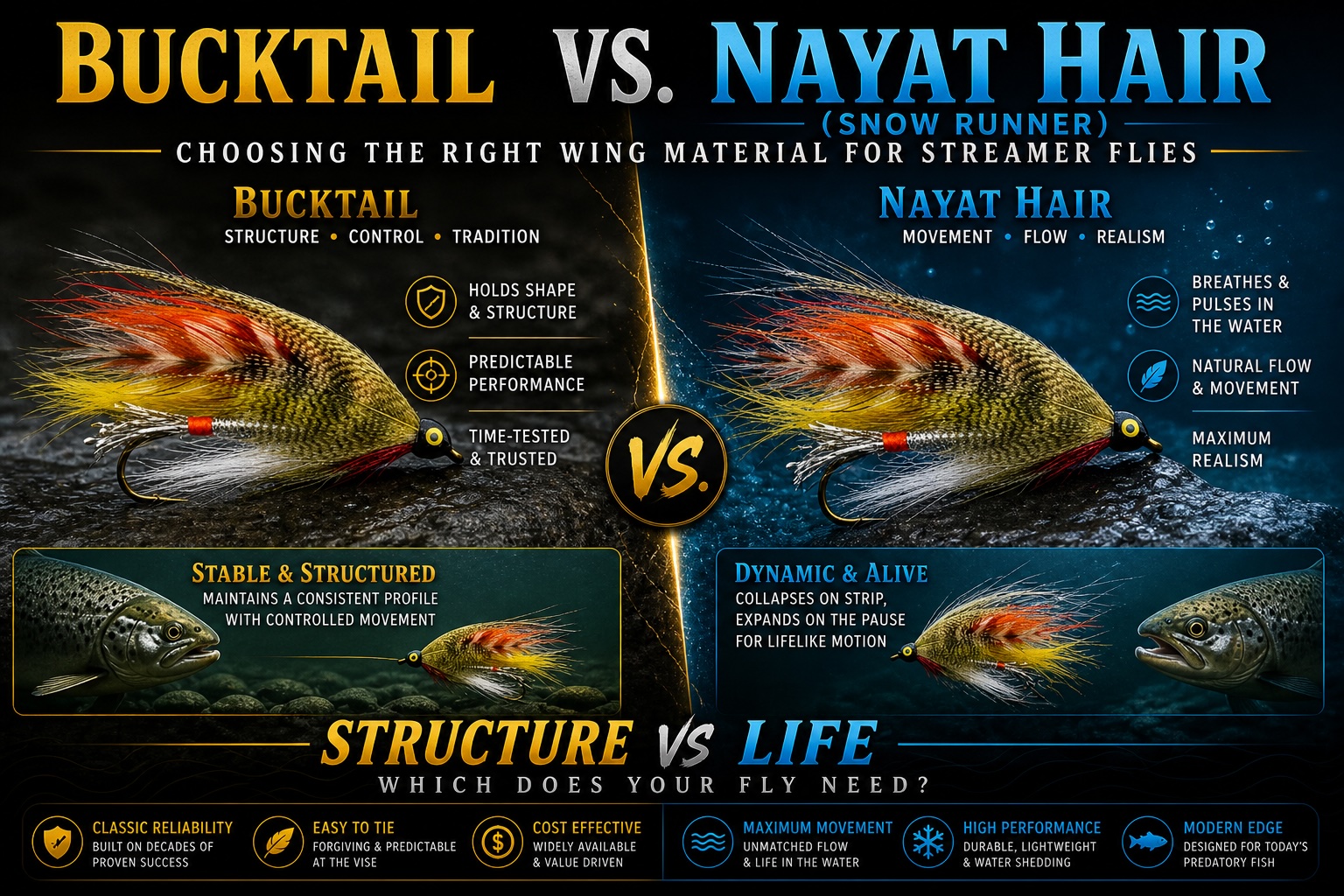
For the serious fly tier—especially one focused on streamers and salmon flies—few material choices are as foundational as your wing material. It dictates not only the profile of the fly, but how it moves, breathes, and ultimately convinces fish to strike.
Two materials dominate this space:
👉 Bucktail — the traditional, time-tested standard
👉 Nayat Hair (Snow Runner) — the modern, high-performance alternative
Both are highly effective. But they are not interchangeable.
Understanding the differences between them—particularly in terms of ease of use, cost, structure, and in-water behavior—is what allows you to move from simply tying flies to designing them with intention.
Material Overview: Tradition vs Modern Performance
Bucktail
Bucktail has been a cornerstone of streamer tying for decades. From the Clouser Minnow to the Lefty’s Deceiver, it has proven itself across species and conditions.
It offers:
- Structure
- Predictability
- A classic tapered profile
Nayat Hair (Snow Runner)
Nayat hair, often referred to as Snow Runner, is a relatively newer addition to mainstream fly tying. Originally used more heavily in European and Scandinavian patterns, it has gained traction among modern streamer tiers.
It offers:
- Exceptional length
- Fluid movement
- A more lifelike, dynamic profile
Material Structure & Behavior
This is where the two materials begin to diverge significantly.
Bucktail Structure
- Fibers are hollow and slightly stiff
- Hair tends to flare under thread pressure
- Naturally tapered depending on tail section
👉 Result:
- Builds bulk quickly
- Holds shape well
- Creates a defined, structured wing
Nayat Hair Structure
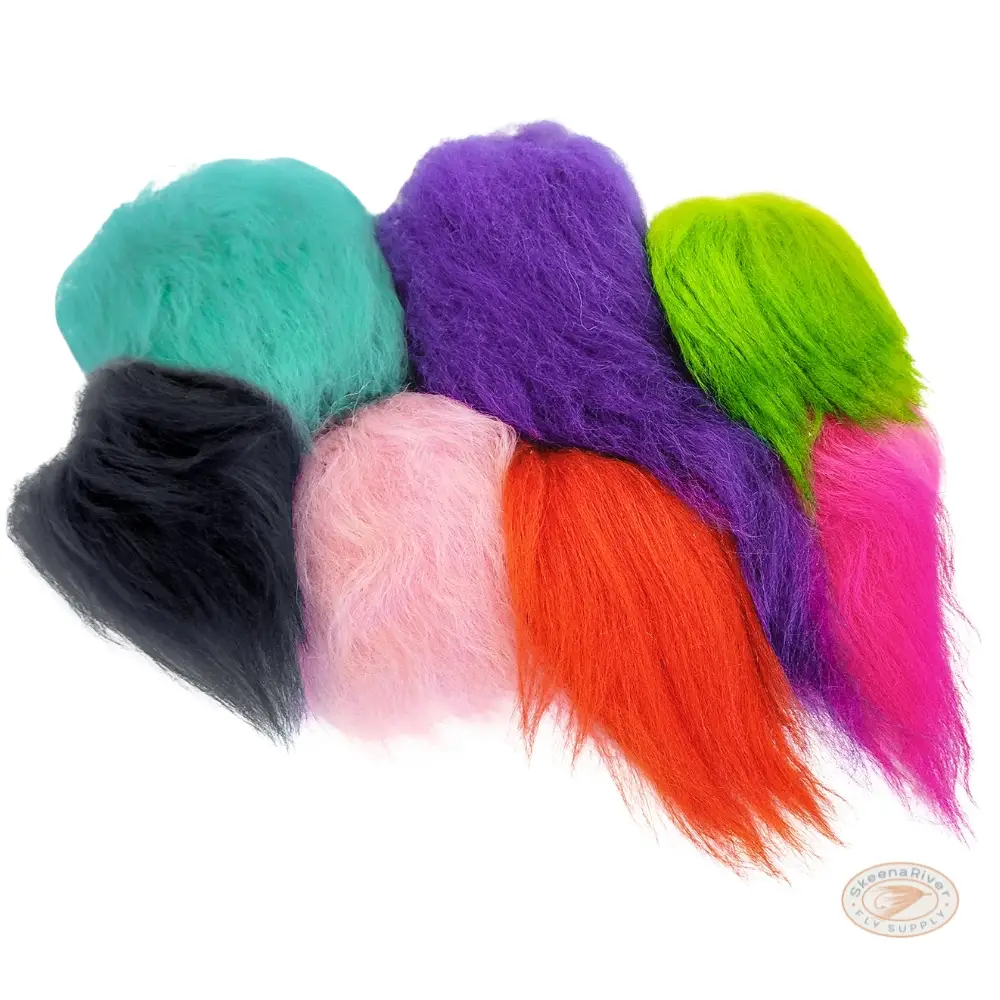
- Fibers are long, fine, and slightly crinkled
- No flaring under pressure
- Naturally aligns into a smooth taper
👉 Result:
- Creates large profiles with minimal material
- Maintains a fluid, flowing shape
- Blends seamlessly with other materials
Although crinkled by nature the hair can be straightened for a more streamlined appearance by simply running under a steam iron for a few passes. This combined with a combing of the underfur with a fine toothed comb will straighten the hair to give a more pleasing appearance to the fly. Some crinkled look may return but rarely to the same degree.
Refer to the Nayat Hair link above for a reference video on how to prepare Nayat Hair for tying
Key Insight
Bucktail builds structure. Nayat builds movement.
Profile & Movement in the Water
What matters most isn’t how a fly looks in the vise—it’s how it behaves in the water.
Bucktail in the Water
- Maintains a consistent profile
- Limited collapse and expansion
- Movement is present, but controlled and subtle
👉 Best described as:
Stable and structured
Nayat Hair in the Water
- Fibers collapse when stripped
- Then expand and “breathe” on the pause
- Creates a pulsing, lifelike motion
👉 Best described as:
Dynamic and alive
Why This Matters
Predatory fish often key on:
- Subtle movement
- Changes in profile
- The illusion of life
Nayat excels in:
- Slow retrieves
- Pause-and-strip presentations
- Cold water scenarios
Living in the USA and interested in purchasing DcTackle Flies? Check out my Etsy Shop at My Etsy Store
All applicable duties and fees reflected in pricing to make purchasing simple. New patterns added weekly
Ease of Use at the Vise
Bucktail
- Very forgiving
- Easy to stack and control
- Familiar to most tiers
Challenges:
- Can flare unintentionally
- Requires selecting the right section of the tail
- Often needs trimming to achieve taper
Nayat Hair
- Extremely easy to tie in
- Requires minimal prep (See note above)
- Natural taper reduces trimming
Challenges:
- Long fibers can feel unfamiliar at first
- Requires restraint (easy to overdress) (Sometimes a little is all you need). Its dense by nature and sheds water effectively. Builds bulk easily without having to over apply
Building too much bulk especially in a layered profile like on many of many tandem streamers can cause excessive head buildup. Just be aware of this and maintain the profile and thread tension when building the heads. A little practice and it becomes second nature!
Verdict
- Bucktail = beginner-friendly, highly predictable
- Nayat = efficient and clean once understood
Cost & Efficiency
Bucktail
- Widely available
- Moderate price point
- Some waste due to:
- Short fibers
- Irregular sections
Nayat Hair
- Slightly higher upfront cost
- But extremely efficient
👉 Why?
- Longer usable fibers
- Less material needed per fly
- Minimal waste
Real Insight
While Nayat may cost more initially, it often produces more flies per patch—making it highly competitive in value.
Suitability for Matching Baitfish
Bucktail
Excels at:
- Defined baitfish shapes
- Classic streamer silhouettes
Ideal for:
- Clouser-style flies
- Deceiver patterns
- Traditional hairwing streamers
Nayat Hair
Excels at:
- Long, flowing baitfish profiles
- Realistic movement
Ideal for:
- Smelt
- Shiners
- Herring
- Modern articulated streamers
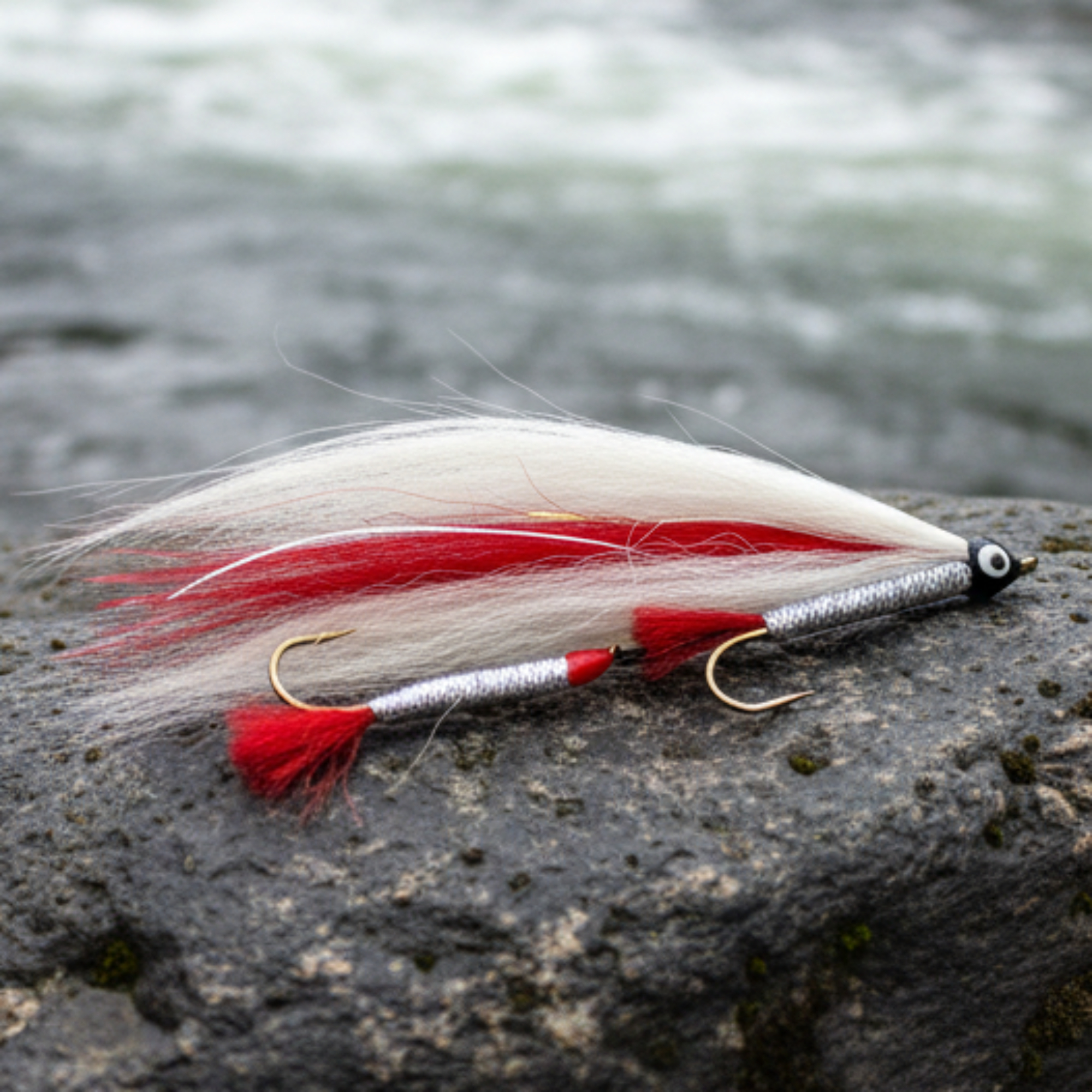
Red & White Tandem - Note the long flowing Nayat Hair Wing
Advanced Insight
Bucktail:
- Represents the form of a baitfish
Nayat:
- Represents the behavior of a baitfish
Color Selection & Availability
Bucktail
- Extremely wide availability
- Natural + dyed options
- Consistent supply
Nayat Hair
- Rapidly expanding color range
- Often available in:
- Bright attractor colors
- Natural tones
- UV-enhanced variants
Key Difference
- Bucktail = traditional palette
- Nayat = modern, expanded palette
Durability & Performance
Bucktail
- Durable, but fibers can:
- Break
- Kink over time
Nayat Hair
- Highly durable
- Resistant to:
- Matting
- Breakage
- Sheds water quickly
👉 This improves:
- Casting
- Fly longevity
When to Choose Each Material
Choose Bucktail When:
- You want a structured, classic profile
- Tying traditional patterns
- You need predictable results
Choose Nayat When:
- You want maximum movement and realism
- Tying modern baitfish patterns
- You want a premium, high-performance finish
The Hybrid Approach (Best of Both Worlds)
Many advanced tiers now combine both:
- Bucktail base layer → structure
- Nayat overlay → movement
👉 This creates:
- Controlled profile
- With lifelike motion
Final Thoughts
The comparison between bucktail and Nayat isn’t about which is better—it’s about what you’re trying to achieve.
Bucktail gives you:
- Structure
- Tradition
- Reliability
Nayat gives you:
- Movement
- Realism
- Modern performance
The Real Takeaway
Bucktail defines the shape. Nayat defines the life.
For the fly tier who is building not just patterns—but a cohesive, high-performance system—understanding when and how to use each is a major step forward.
Because at this level:
👉 You’re not just tying flies
👉 You’re designing how they behave in the water
Get new fly recipes, fishing reports, and exclusive offers delivered right to your inbox
.png)


